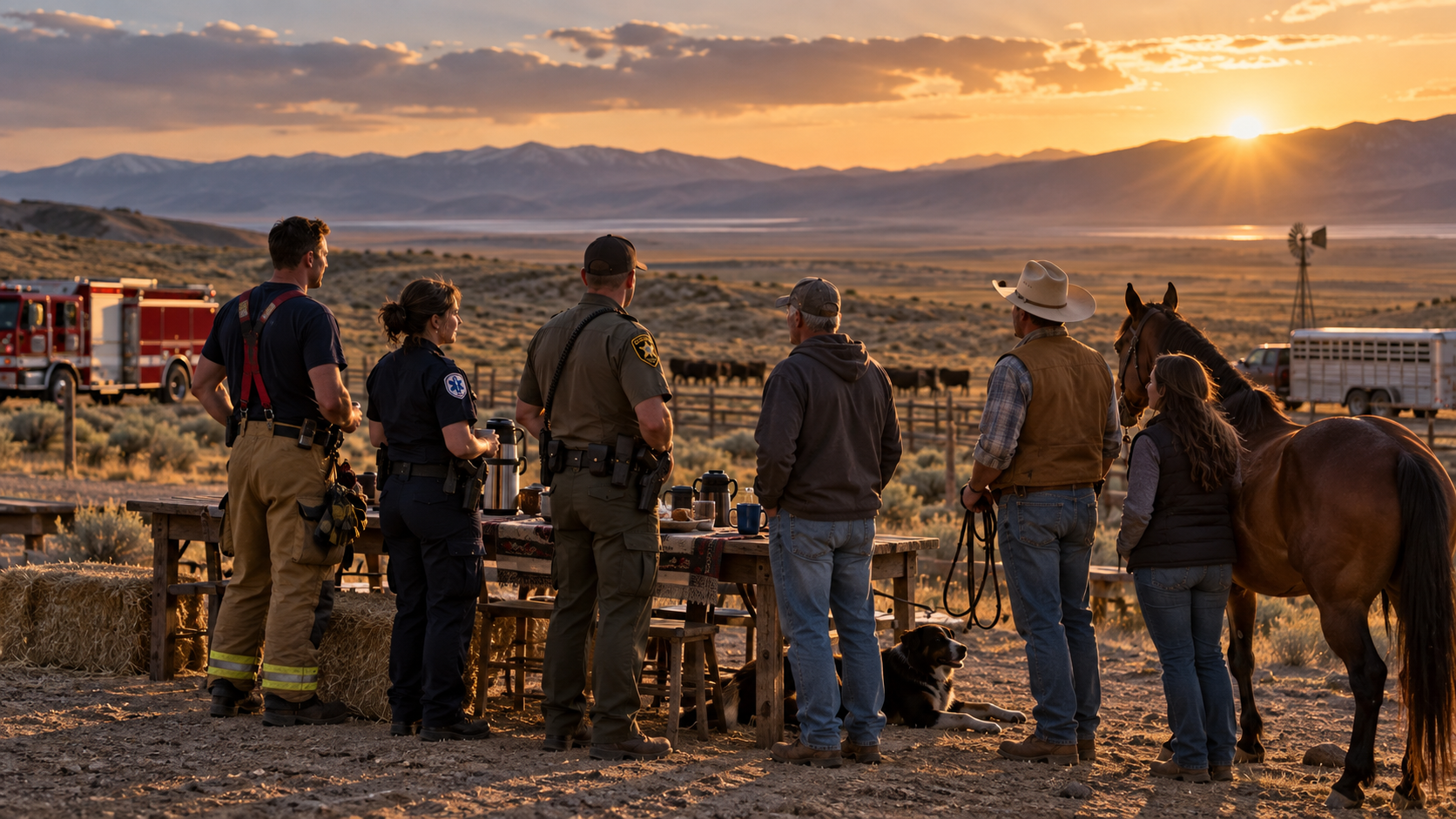
A rider and bay horse looking toward the future Freedom Farms campus in Utah high-desert ranch country

Freedom Farms Emergency Services Foundation · Utah

Built for
the call—and
what follows.

One Western mission where responders train for the worst, animals have a way out, veterans find purpose, and the people who carry everyone else have somewhere to set the weight down.

LandLivestockCommunityCountry
01TrainFire · EMS · Wildland
02RespondAnimals · Agriculture
03ReconnectResponders · Veterans
04BuildSkills · Workforce
01 The road to Freedom Farms

Maine roots · Utah mission

This was not one idea. It was a lifetime arriving at the same place.

Built from family, fire service, hard losses and the belief that useful work can bring people back to one another.

16Junior firefighter~10 yearsFirefighter / EMTNearly 30Years building2018The idea takes hold

I'm Jeff Clark. Freedom Farms did not come from a boardroom. It grew out of my family's Maine roots, the fire service, almost three decades in construction and the things people carry home after the call is over.

The mission is personal, but it was never meant to be about me. It is about building the place I kept seeing people, animals and rural communities need.

01 · The roots

Service was the family language.

The earliest lessons came on my family's property in the Maine woods. I became a third-generation firefighter, joined as a junior firefighter at 16 and spent about ten years serving as a firefighter/EMT in Maine. Later, I also spent time with Cedar Fort Fire in Utah. The lesson stayed the same: know your job, show up and take care of the people beside you.

02 · Maine, 2018

My father and I named the need.

We imagined a place where firefighters, EMTs, veterans and their families could train, reset, breathe and get away from the weight of the job. After my father died, I returned to Utah carrying more than an idea. I carried a promise that the place we talked about would not disappear with him.

03 · The reason grew

The losses changed the scale of the mission.

Multiple firefighters across our mutual-aid community died by suicide, including my chief. Freedom Farms could not be only somewhere to get away. It had to help people prepare before the call, stand beside communities during it and give responders, veterans and families a real way back to connection afterward.

04 · One connected system

Everything here has a reason.

Emergency training builds readiness. FFEART gives animals a way out. Agriculture, construction and skilled work create purpose. The Hot Spot, peer support and specialty dinners bring people back to the table. Veterans and young people find meaningful ways to contribute. These are not separate projects. Together, they are Freedom Farms.

05 · Built to be remembered

Serious mission. A place that feels alive.

Freedom Farms should be a place people look forward to coming back to—hands-on training, horses and livestock, the Western training town, meals in the mess hall, specialty dinners, live music, the stage and the Dust Bowl Ball under the Utah sky. People learn better, reconnect easier and build lasting relationships when the experience gives them something worth remembering.

“I am building the place we kept needing—before the next person, animal or community is left without one.”

— Jeff Clark, Founder & President
02 What Freedom Farms brings together

This is what prepared looks like.

Not four separate ideas. One working system built around the people, animals and communities that cannot afford to wait until disaster arrives.

01

Train before it is real

Fire, EMS, wildland and multi-agency training that builds judgment, repetition and trust before the call comes.

02

Leave no animal behind

Evacuation, containment, sheltering and reunification capability built for livestock, equines and companion animals.

03

Carry the people who carry us

Peer connection and decompression for responders, dispatchers, veterans and families—before stress becomes isolation.

04

Turn service into purpose

Hands-on paths through agriculture, construction, equipment, skilled trades, mentoring and public service.

Responder & veteran support

The Hot Spot

Where the sirens go quiet.

You should not have to reach a breaking point before there is somewhere to go. The Hot Spot is where responders, dispatchers, veterans, emergency workers and families can step away from the noise and be around people who understand.

No performance. No pressure. No explanation owed.

01

Someone gets it

Sit with people who understand the weight without demanding every detail.

02

A seat at the table

Specialty dinners make one good meal and one shared table the reason to arrive, slow down and reconnect.

03

Space to breathe

Animals, land, useful work and quiet away from alarms, fluorescent rooms and the pressure to say you are fine.

For those who served

Leaving the shift or leaving the military does not always mean leaving the weight behind. The Hot Spot is meant to offer connection, useful work and a place to belong without turning people into a diagnosis.

Take care of the people who take care of everyone else.

The Hot Spot is a peer-support and resiliency program in development, not clinical treatment.

03 Why “Farms” is in the name

Agriculture is part of the operating plan

The farm is not scenery. It makes the mission work.

Land, livestock, hay, stored water, reclaimed training water, equipment and capable hands belong in the same readiness system as fire training, animal evacuation and responder support.

01

Land that serves

Agricultural stewardship, farm safety, planned water storage, reclaimed training water, drought resilience and fire-mitigation work strengthen the ground before an emergency.

02

Livestock readiness

Planned hay and feed, panels, troughs, animal-handling equipment and staging space support evacuation, temporary containment and practical training.

03

Skills with purpose

Agriculture, equipment, construction and rural systems create hands-on exposure and mentoring paths for veterans, young people and future workers.

04

Connection around the table

The culture of the farm carries into crew meals, specialty dinners and community gatherings—work first, then food, conversation and a reason to stay.

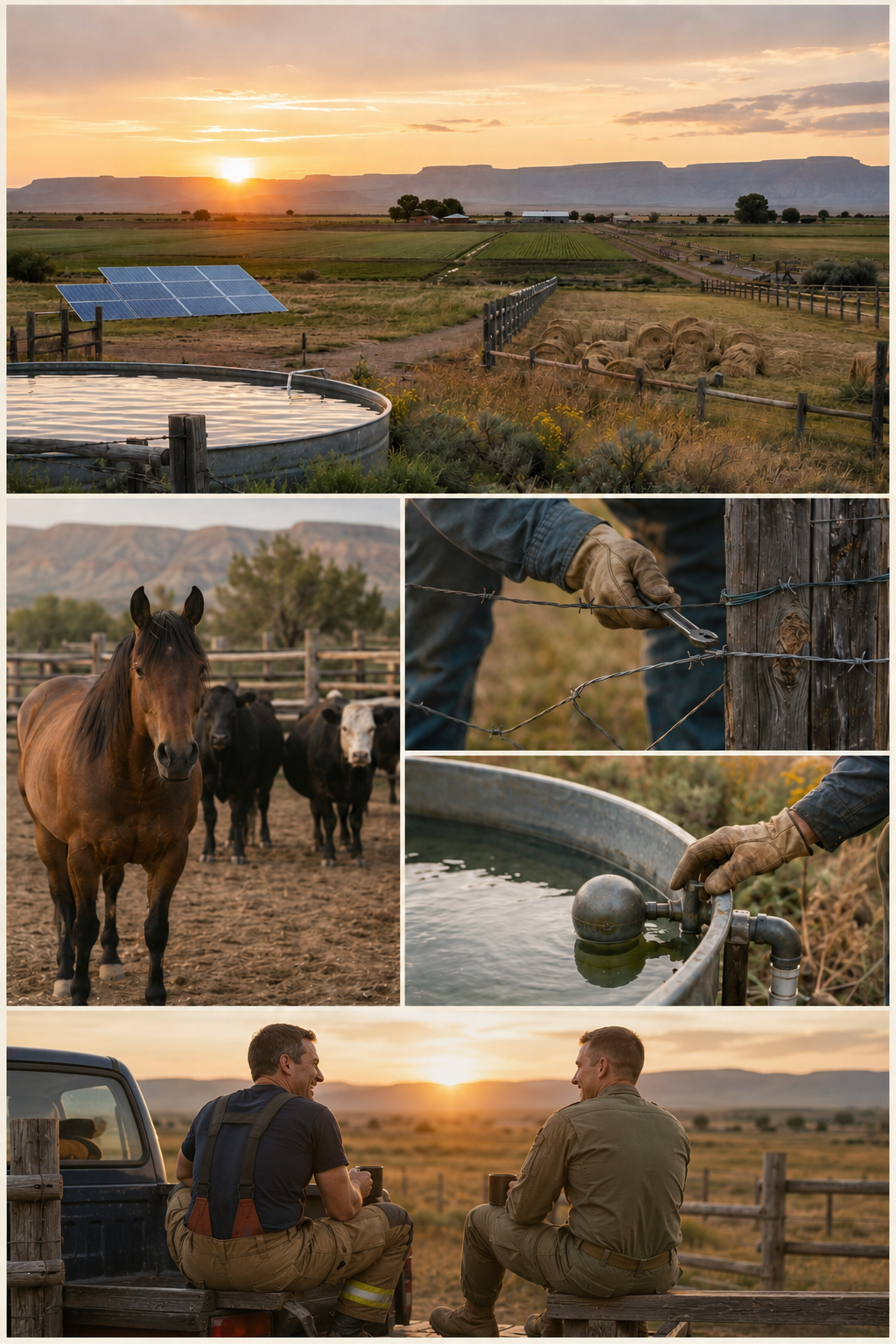
A collage of working farmland, livestock, ranch stewardship, water systems, and a firefighter and soldier sharing a quiet moment
Working land. Useful animals. Real responsibility.Agriculture connects readiness, recovery and rural life.
04 Mobile before permanent

Freedom Farms Emergency Animal Response Team

FFEART

Animals cannot evacuate themselves. FFEART is the portable, incident-command-compatible resource being built to help agencies move, contain, shelter, identify and reunite them when disaster strikes.

The work in the field

  • Equine, livestock and companion-animal evacuation support
  • Temporary containment and emergency sheltering
  • Identification, accountability and owner reunification
  • Water, power, lighting, communications and sanitation
  • Veterinary and agency coordination under incident command
  • Volunteer training, tabletop exercises and practical drills

First service focusTooele CountyRegional reach grows with training, agreements and capacity.

Already moving

From an idea to an operating framework.

Freedom Farms has defined the response mission, built an itemized portable-equipment plan and begun procedures for inventory, maintenance, mobilization, volunteers, animal intake, identification and reunification.

Coordination has started with Utah animal-disaster officials and with veterinary, equine, agricultural, emergency-management, supplier and first-response contacts.

The planned mission fleet

Not show trucks. Working tools with a job to do.

Evacuate Contain Water Shelter Reunify
Truck 01

Livestock & initial response

RAM 3500 SRW with a gooseneck livestock trailer, water and defensive equipment for animal transport and a fast first move.

Truck 02

Utility & extended staging

RAM 3500 DRW utility platform with a custom flat-deck trailer planned for roughly six-horse staging, four hay bales, corral panels, troughs, rescue gear, equipment bins and a water skid.

05 The permanent vision

Train it here—so the first time is not out there.

A solar-powered regional training and rural-readiness campus connecting fire and EMS, veterans, wildland readiness, animal evacuation, agriculture, workforce programs and peer support.

This is not a list of buildings for the sake of having buildings. Every part has a job: give responders a place to repeat difficult work, give veterans practical ways to contribute and mentor, let agencies train together before the real call, support animal operations, and give people somewhere to eat, regroup and reconnect afterward.

Controlled fireground practice

Burn tower

A purpose-built training structure where crews can practice hose advancement, search and rescue, ladder work, ventilation, firefighter survival and coordinated interior operations without waiting for a real structure fire.

Observation, training & hose care

Watch / hose-drying tower

A separate tower planned for fire watch, wildland training, incident observation and emergency exercises. It also gives departments the height needed to hang and dry hose after training; the upper observation deck could support community astronomy nights.

Full-scene teamwork

Western training town

An adaptable streets-and-structures setting that moves training beyond one prop. Fire, EMS, command and partner agencies can work the same evolving scene—access, staging, communication, patient movement and joint operations.

Feed the crew. Hold the room.

Mess hall

A working kitchen and gathering place for crew meals, specialty dinners, briefings and time together after training. During a large exercise or incident, it can support command, coordination and sustained operations.

Animal disaster readiness

Animal-response arena

Hands-on space for animal handling, evacuation, temporary containment and sheltering practice—bringing responders, volunteers, agricultural partners and veterinary professionals into the same operation.

Music, stories & community

The stage

The performance and gathering space for the Dust Bowl Ball, live country music, late-night acoustic sets, community events and specialty gatherings—the place the mission becomes something people can feel together.

Headquarters & apparatus bays

Drive-through bays for response equipment, plus classrooms, instructor and report space, gear wash and decontamination, showers and limited overnight quarters for training and extended operations.

Drill grounds & EVOC

Open training ground and an emergency-vehicle-operations course for apparatus placement, driving, rural access, equipment deployment and multi-company exercises.

Aviation & rope rescue

A helicopter landing area and room for rope, terrain and aviation-incident training connect the campus to the realities of rural response.

Stored & reclaimed water

Planned water storage supports rural readiness and repeated drills. Water used in training can be captured, reclaimed and returned for future exercises where appropriate—reducing waste while crews keep building skill.

Campus-wide solar power

The entire Freedom Farms campus is planned to run on solar power, supported by battery storage and backup capability. That working system also gives responders a place to train on shutdown, isolation, electrical hazards, battery fire behavior and safe emergency access.

Training named in the campus plan

Firefighter I & II skillsHazardous materialsEmergency vehicle operationsIncident commandMass-casualty responseRope rescueWildland readinessSolar & battery hazardsLarge-animal evacuationAviation incident recovery

The campus advances in practical stages. Each operating program, training relationship and confirmed partnership helps the next piece fall into place.
06 The experience behind the plan

Designed by experience. Not imagination.

The campus plan grows from real fireground training, apparatus work, rural water supply, aviation coordination and rope-rescue experience.

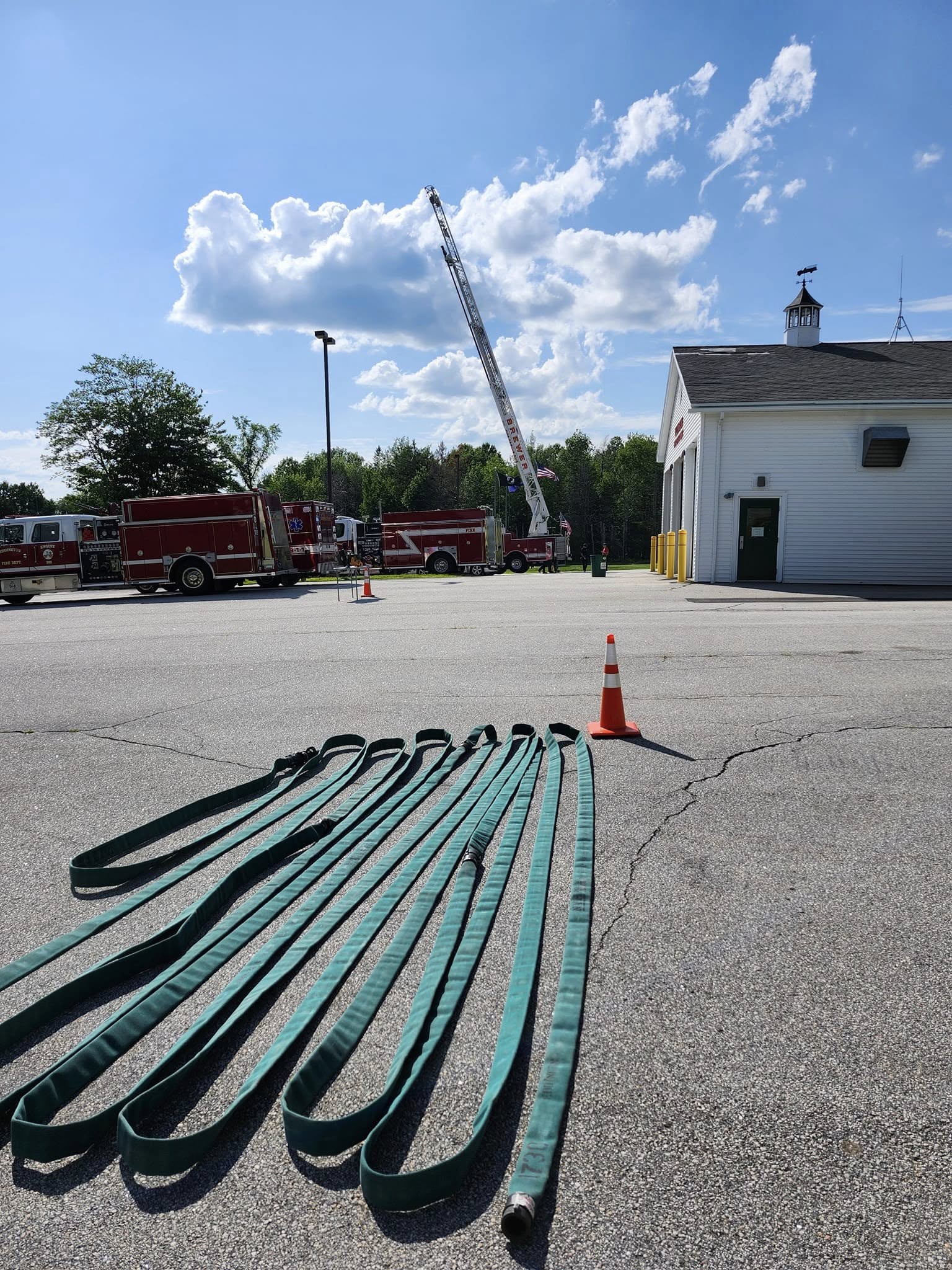
Fire hose lines laid out during apparatus training
Hose, apparatus and coordinated crew operations
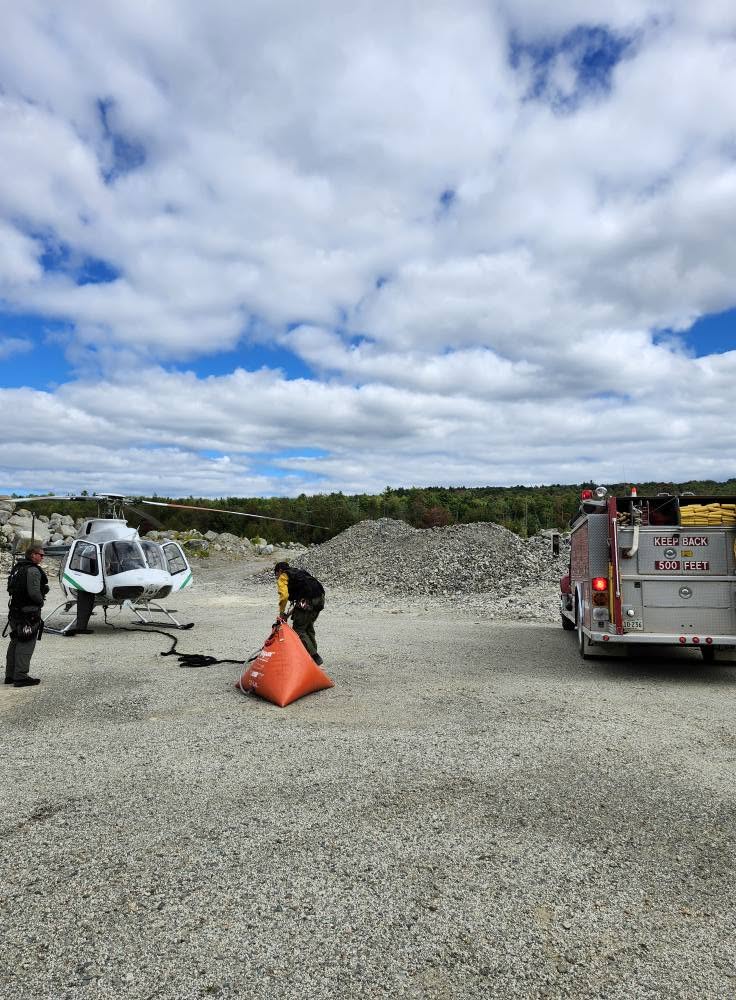
Firefighters training beside a helicopter and fire apparatus
Aviation incident coordination
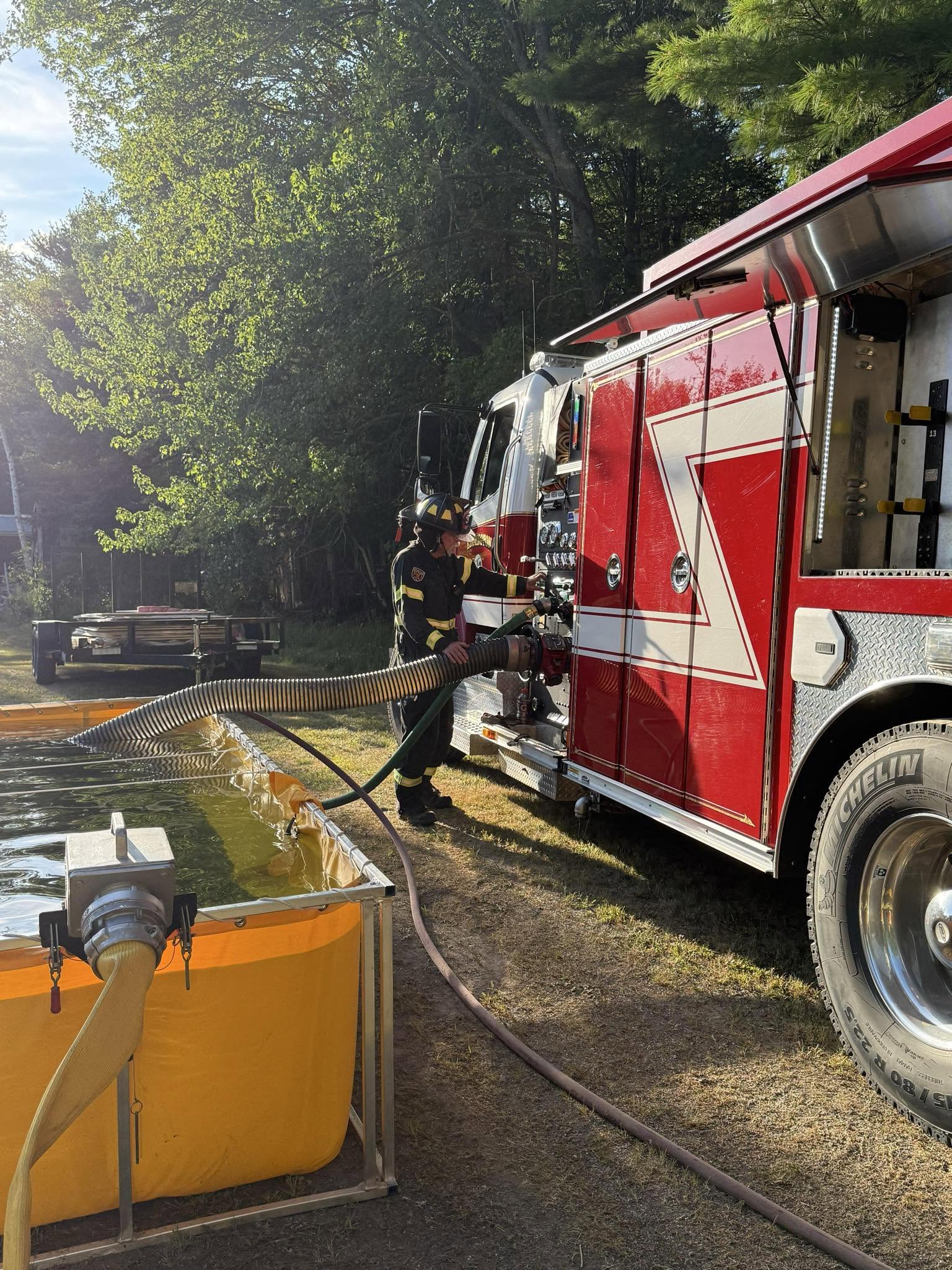
Firefighter drafting water from a portable tank
Rural water supply and sustained operations
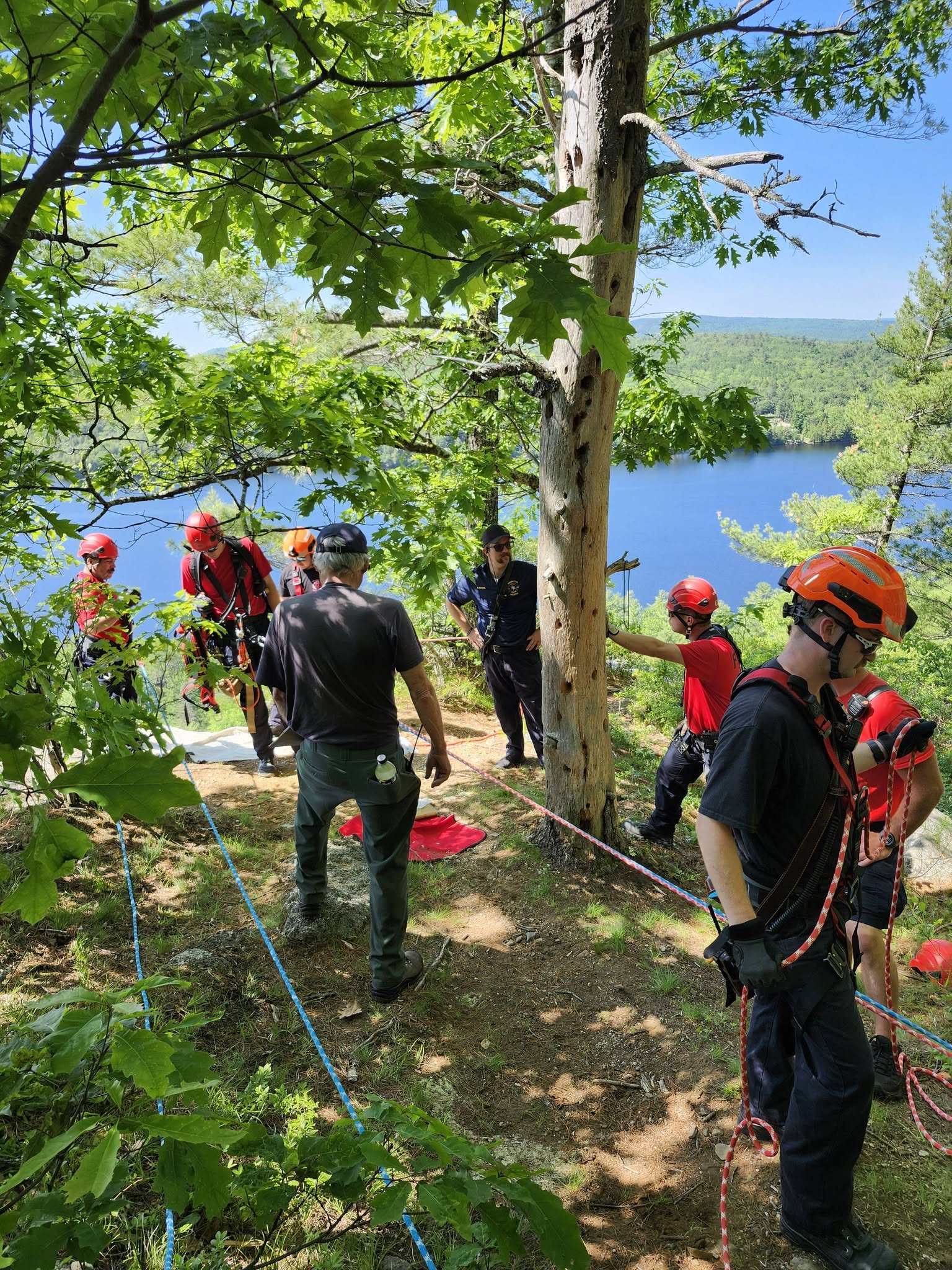
Rope-rescue team training on wooded terrain
Rope rescue in real terrain
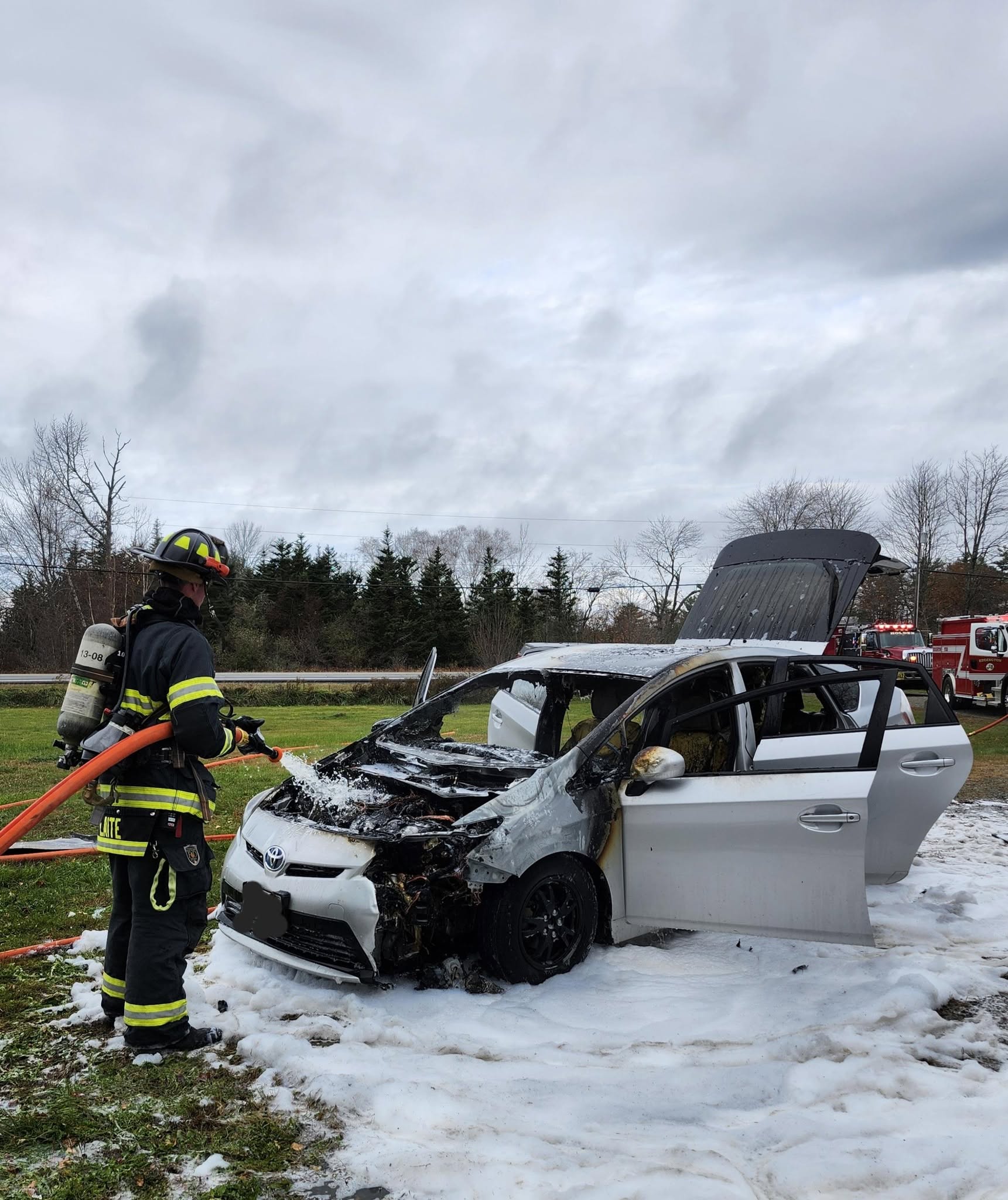
Firefighter working at a vehicle-fire scene
Vehicle-fire response and scene safety

The Dust Bowl Ball · Where the sirens go quiet

Come for the music. Leave part of the mission.

A Western concert and overnight campout designed to make Freedom Farms feel real before the permanent gates ever open.

Live country music. Late-night acoustic sets. Tents under the Utah sky. A next-morning pancake breakfast. Veterans, active military members, responders, farmers, families, builders and neighbors—not a black-tie gala, just a real gathering where service and community stand side by side.

Taking shape

Tooele County / Utah West Desert · Building the right site and event relationships

Live country musicOvernight campoutLate-night acoustic setsPancake breakfast
07 Building the future together

More than a logo on a truck

Put your name beside an investment that matters.

The right partner brings a lane: knowledge, equipment, skilled people, materials, an introduction or financial support. Every contribution connects to something people can see, use and trust.

01

The Hot Spot

Specialty dinners, peer connection and a place for responders and veterans to reset.

02

FFEART

Animal-handling systems, portable equipment, training and field logistics.

03

Veterans, youth & trades

Hands-on paths into agriculture, construction, equipment, skilled work and public service.

04

Mission fleet

Tow, transport, water, utility and mobile-response capability.

05

Campus systems

Site, civil, steel, energy, communications, water and resilient infrastructure.

06

Dust Bowl Ball

Stage, sound, lighting, camping, food and authentic Western hospitality.

Do not sponsor a promise. Help build a piece that works.

Find your place in it
08 Foundation under the vision

Established

Utah nonprofitIncorporated June 18, 2026

Built

Administrative groundworkEIN, banking and federal registration

Underway

Operating plansFFEART procedures, equipment planning and partner conversations

Serving land. Livestock. Community. And country.

If you can see yourself in this, you already belong here.

Responders. Veterans. Farmers. Animal professionals. Builders. Teachers. Tradespeople. Neighbors. Freedom Farms becomes real when the right people recognize their part in it.

Tell us what you bring FFESmission@gmail.com